

Hidden Plumbing Problems That Could Cost You After Closing
Buying a home is exciting. You're walking through rooms, imagining where your furniture will go, checking out the kitchen, and picturing what life could look like in your new space.
But while you're paying attention to the things you can see, what about the things you can't?
Behind the walls, beneath the floors, and underground, your home's plumbing system is working out of sight. And unfortunately, some of the most expensive plumbing problems aren't always obvious during a walkthrough.
Before you sign those closing papers, it's worth knowing what's going on with the plumbing.
A Home Can Look Perfect and Still Have Plumbing Problems
Fresh paint, updated fixtures, and a finished basement can make a home feel move-in ready. But appearances don't always tell the full story.
One of the first things buyers should pay attention to is evidence of previous water damage.
Water stains on walls or ceilings, discoloration around plumbing fixtures, and signs of past basement flooding can all raise questions about the home's history.
Even if nothing is actively leaking, it's worth asking whether the property has experienced water damage or undergone plumbing repairs.
Look closely at areas that appear to have been patched or recently repaired, especially around basement walls, ceilings, and exposed plumbing.
Not every stain or repair means there's an ongoing problem. However, understanding what caused it and whether the issue was properly resolved can help you make a more informed decision.
And remember, some plumbing problems won't leave visible evidence at all.
What Should You Actually Check Before Buying?
During a home inspection, it's easy to assume that if the faucets turn on and the toilets flush, everything must be working properly.
Unfortunately, that's not always the case.
A plumbing system involves much more than the fixtures you use every day. Water supply lines, drains, sewer connections, water heaters, and other equipment all play a role in keeping the home functioning properly.
Before purchasing a home, we recommend having the plumbing system professionally inspected.
That includes checking for leaks, evaluating the condition of plumbing fixtures, and testing the home's water supply and drainage systems.
Pay particular attention to the water heater. Does it appear relatively new, or is it showing signs of age? Is there visible rust or corrosion around the tank or its connections?
An older water heater doesn't automatically mean you shouldn't purchase the home, but knowing its age and condition can help you prepare for potential maintenance or replacement costs.
The same goes for toilets, faucets, drains, and sump pumps. These components should be tested rather than simply assumed to be in working condition.
A professional plumbing inspection can help identify issues that might otherwise go unnoticed during a typical walkthrough.
The Plumbing Problem You Can't See: Your Sewer Line
One of the most important parts of a home's plumbing system is also one of the hardest to evaluate without specialized equipment.
Your main sewer line carries wastewater away from the house, typically connecting to the municipal sewer system or a private septic system.
Because much of this piping is underground, you can't determine its condition simply by looking around the property.
That's why a sewer camera inspection can be especially valuable before purchasing a home.
A plumber can use a specialized camera to inspect accessible sections of the sewer line and look for potential problems, including damaged pipes, root intrusion, and obstructions.
Even if every drain inside the house appears to be working, that doesn't guarantee the underground sewer line is in good condition.
And sometimes, the consequences of overlooking that part of the plumbing system can be significant.
Before you close
know what's beneath the surface
A home can look move-in ready while hiding plumbing problems underground. Have your plumbing inspected before closing so you know what you're buying.
When a Brand-New Home Had a Major Sewer Problem
You might expect an older home to have some plumbing issues, but what about a brand-new house?
We encountered a situation where homeowners moved into a newly constructed home, only to experience a sewer backup on the very first day.
After investigating, the problem turned out to be a damaged sewer pipe.
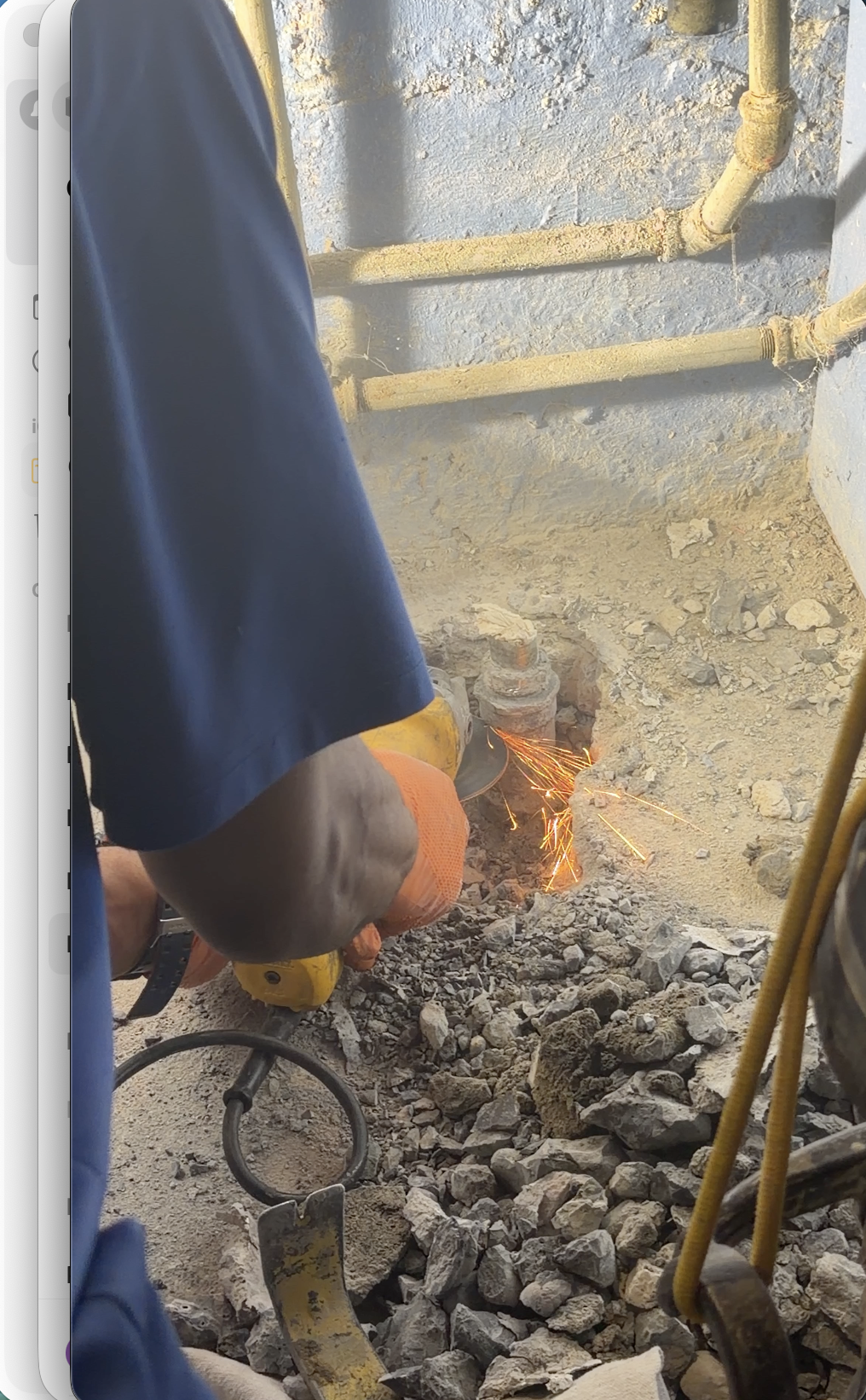
During construction, the sewer line had been crushed while the builder was backfilling the excavation. To make matters more complicated, a patio had been constructed over the damaged area.
Correcting the problem required breaking through the affected surface, excavating the damaged section, and reconnecting the sewer pipe.
What appeared to be a brand-new, move-in-ready home had a serious underground plumbing issue that wasn't visible during an ordinary walkthrough.
It's a reminder that new construction doesn't automatically mean problem-free plumbing.
Whether you're buying a newly built property or an older home, knowing the condition of the sewer line before closing can help you avoid unpleasant surprises.
Make Plumbing Part of Your Homebuying Decision
Buying a house is one of the biggest financial decisions you'll make, and unexpected plumbing repairs can quickly add to the cost of homeownership.
That doesn't mean every plumbing concern should stop you from buying a property.
Instead, the goal is to understand what you're purchasing.
Ask questions about previous leaks and repairs. Review the home inspection findings carefully, and consider having a licensed plumber evaluate the plumbing system before closing.
A general home inspection provides valuable information, but a dedicated plumbing inspection may uncover concerns that require a closer look.
The more you know about the home's plumbing condition, the better prepared you'll be to make decisions about repairs, maintenance, and future expenses.
Because the last thing you want after getting the keys to your new home is an unexpected plumbing problem waiting to be discovered.
DC Dedicated Plumbing proudly serves homeowners throughout Macomb and Oakland Counties, Michigan, helping identify plumbing concerns and recommend appropriate solutions.
SCHEDULE SERVICE
Buying a home?
We can help identify potential concerns so you can move forward with greater confidence.