

You're getting ready for the day, turn on the shower, and notice something isn't right. The water that normally comes out in a steady stream is barely flowing. Maybe it's just the shower, or perhaps you've noticed the same thing happening at your kitchen sink. Either way, you're left wondering why your water pressure suddenly dropped.
Low water pressure can make everyday tasks frustrating, but it can also indicate that something isn't working properly within your plumbing system. While the cause may be as simple as a clogged faucet aerator, other situations involve damaged water lines, municipal water main breaks, or aging pipes that have gradually restricted water flow.
Before assuming the worst, it helps to understand where the problem is happening and what that might tell you about your home's plumbing.
Is It Just One Faucet or Your Entire House?
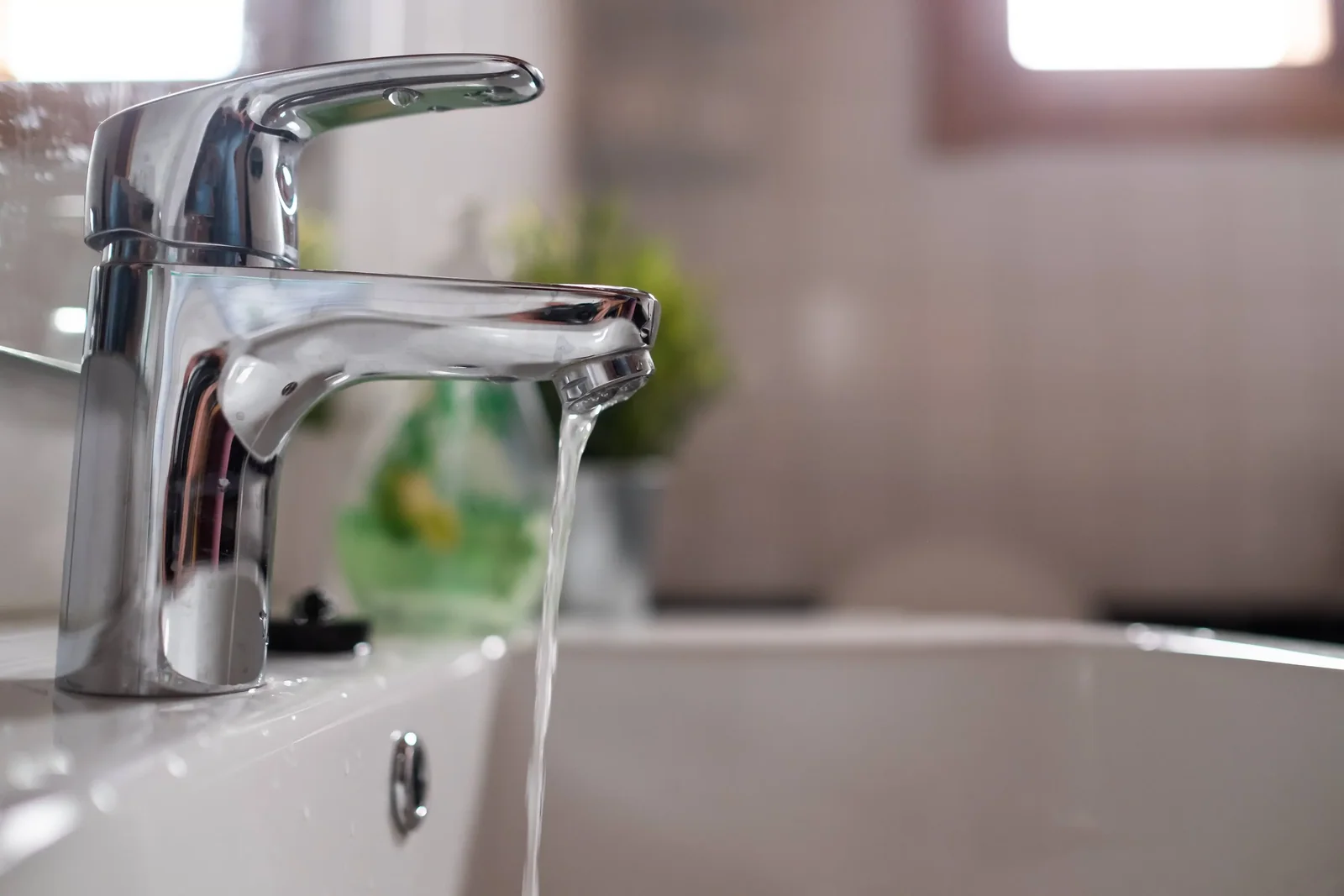
When water pressure drops, one of the most important details is whether the problem affects a single fixture or multiple areas throughout your home. This distinction can help narrow down where the issue might be coming from.
If your kitchen faucet suddenly has weaker water flow but the bathroom sink and shower are working normally, the problem may be isolated to that fixture. One possible cause is a clogged aerator, the small screen-like component located at the end of a faucet. Over time, mineral deposits and debris can accumulate inside it, restricting the amount of water that passes through. A partially closed or malfunctioning shutoff valve beneath the sink can also affect the flow of water.
However, when several fixtures throughout the house begin experiencing low water pressure at the same time, the issue may extend beyond an individual faucet. A sudden pressure drop affecting the entire home can sometimes be connected to a municipal water main break or a problem with the water supply entering the property.
Water main breaks can interrupt or reduce water service to surrounding homes, which means the problem may not necessarily originate within your plumbing system. If multiple fixtures are affected, checking for reported water service interruptions in your area can help determine whether the issue is related to the municipal supply.
What If the Problem Is Coming From Underground?
Not every plumbing problem is visible inside the house. In some cases, low water pressure can be caused by a leak in the underground water service line that carries water from the municipal supply into your home . Because this piping is buried, damage can develop without immediately producing the familiar signs of an indoor leak.
One warning sign homeowners may notice is an unusual change in their yard. If the ground begins sinking or a depression develops near the water service line, it could indicate an underground problem that needs further investigation. These changes can have several causes, but they shouldn't be ignored, particularly when they occur alongside a sudden decrease in water pressure.
Hidden leaks within the home can also affect water pressure, depending on their location and severity. Unlike a dripping faucet or an exposed leaking pipe, these problems may not be immediately noticeable. That's why identifying the source of the pressure change matters. What initially seems like a minor inconvenience could be connected to a larger issue within the water supply system.
Low water pressure?
Let's Find Out What's Causing It
Weak water flow could be caused by a single fixture or a larger issue within your plumbing system. DC Dedicated Plumbing can help identify the problem and recommend the right solution.
How Older Plumbing Can Affect Your Water Pressure
While some water pressure problems happen suddenly, others develop so gradually that homeowners may not realize how much their water flow has changed over time. This is particularly relevant in older Michigan homes, where galvanized steel piping may still be part of the plumbing system.
Galvanized pipes were commonly used in residential plumbing decades ago. Although these pipes were designed to resist corrosion, they can deteriorate as they age. Over time, rust and mineral deposits accumulate along the interior walls, gradually narrowing the space available for water to travel through.
Think of it like a drinking straw that's slowly becoming clogged. Even though water can still pass through, the restricted opening makes it harder for the same amount of water to flow. As buildup continues inside galvanized pipes, homeowners may begin noticing weaker water flow at sinks, showers, and other fixtures throughout the house.
Unlike a clogged faucet aerator, which affects a specific fixture, deteriorating pipes can create restrictions across larger sections of the plumbing system. Cleaning a faucet or replacing a showerhead won't correct the problem if the restriction is coming from the pipes supplying the water.
When Replacing Old Pipes Restored Water Flow
DC Dedicated Plumbing encountered this issue while working with a homeowner whose water flow had been affected by aging galvanized pipes. Over time, buildup inside the steel piping had restricted the amount of water moving through the system, resulting in poor water flow throughout the home.
After identifying the condition of the existing pipes, the old galvanized plumbing was replaced with new PEX and copper piping. Once the replacement was completed, the homeowner experienced restored water flow and pressure.
This situation highlights why understanding the underlying cause of a plumbing problem is so important. If the restriction is coming from deteriorating pipes, replacing individual fixtures may do little to improve the situation. Addressing the condition of the plumbing itself can make a significant difference in how well the home's water supply functions.
When Should You Be Concerned About Low Water Pressure?
It's easy to dismiss weak water pressure as a temporary inconvenience, especially when water is still coming out of the faucet. However, a noticeable change in water pressure is worth paying attention to, particularly when it happens unexpectedly or continues for several days.
If the problem affects multiple fixtures, repeatedly returns, or is accompanied by signs of a possible leak, having the plumbing evaluated can help determine what's causing it. Sudden, severe pressure loss or evidence of an active water line leak deserves prompt attention rather than waiting to see whether the problem improves on its own.
The solution ultimately depends on the source of the issue. A clogged aerator, municipal water main break, underground leak, and deteriorating galvanized pipes can all affect how water reaches your fixtures, but each requires a different approach.
Your home's water pressure shouldn't be something you have to constantly work around. Understanding why it changed is the first step toward restoring reliable water flow and keeping your plumbing system functioning properly.
DC Dedicated Plumbing proudly serves homeowners throughout Macomb and Oakland Counties, Michigan, helping diagnose and repair residential plumbing problems, including water supply issues and deteriorating pipes.
SCHEDULE SERVICE
GET YOUR WATER FLOWING AGAIN
Let DC Dedicated Plumbing help identify the cause and find the right solution. Schedule your service today!