

What Is That Basement Smell?
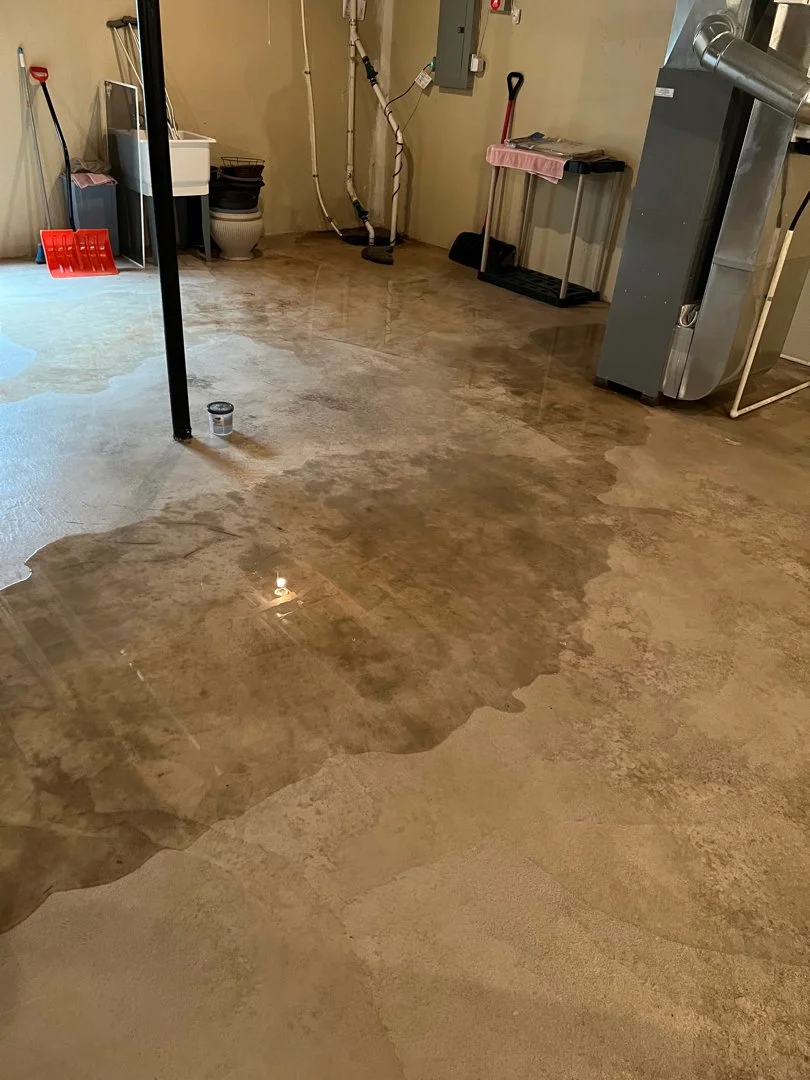
You walk downstairs and immediately notice it – something smells off.
Maybe it smells like sewage. Maybe it’s musty. Or maybe there’s a rotten-egg smell that definitely wasn’t there before.
Whatever the smell is, don’t just cover it up with an air freshener and hope it goes away. Some basement orders can be a sign of a plumbing problem, and the type of smell can give you an idea of where to start looking.
Here are a few things that could be behind that smell in your basement.
What does your basement smell like?
Not every basement smell has the same cause. Paying attention to what the odor actually smells like can help point you in the right direction.
Sewage
If your basement smells like sewage, one of the first things to check is your floor drain.
Floor drains have traps that hold water and help prevent sewer gases from entering your home. If there’s no water in the trap, that barrier is gone; and you may start noticing a sewage smell.
A sewage smell can also happen when a floor drain is backing up.
If you notice sewage coming up through the drain along with the odor, that’s more than just an unpleasant smell. It’s a plumbing problem that should be addressed.
Musty or mold
That damp, musty basement smell could be connected to a water leak.
This can be especially tricky in a finished basement. A leak may be happening behind a wall or another covered area where you can’t immediately see the water.
So even if you don’t see a puddle, a new persistent musty smell is worth paying attention to.
ROTTEN EGGS
A rotten-egg smell needs to be taken seriously.
It could indicate a gas leak. If you suspect a gas leak, contact your gas company rather than trying to locate or repair the problem yourself.
Finding out whre the smell is coming from.
Once you’ve identified what the smell resembles, the next step is figuring out where it’s coming from.
Start with the areas of your basement connected to plumbing. Check your floor drains for standing water in the trap and look around them for signs of a recent backup. If you have a finished basement, also pay attention to areas around walls, ceilings, or flooring where plumbing may be hidden.
You may not always be able to see the problem right away. A leak behind a finished wall, for example, can go unnoticed while moisture builds up out of sight.
For a sewage odor, check whether the smell becomes stronger around a particular floor drain. If you see sewage, wastewater, or evidence that the drain has backed up, there may be a blockage that needs to be cleared.
And if the odor smells like rotten eggs and you suspect natural gas, don’t continue searching for the source yourself. Leave the area and contact your gas utility from a safe location. Natural gas is odorized to smell like rotten eggs specifically to help people detect a possible leak.
What can you check yourself?
Start by checking your basement floor drains.
Look for water in the traps and any evidence of a backup.
Look for signs of moisture.
Water stains, damp areas, or moisture around finished walls could point to a leak that isn't immediately visible.
Pay attention to where the smell is strongest.
That can help narrow down whether it's concentrated around a drain or another area of the basement.
Know when not to investigate.
If you suspect a natural-gas leak, leave the area and contact the gas company.
BASEMENT SMELLING A LITTLE OFF?
LET’S FIND OUT WHY.
If you're noticing sewage odors, a backed-up floor drain, or signs of a plumbing leak, DC Dedicated Plumbing can help identify what's causing the problem.
When should you take a basement smell seriously?
As soon as you notice it.
A strange basement odor can be an early warning that something isn’t right. Waiting for the smell to become overwhelming (or for visible water to appear) could mean waiting for the underlying issue to get worse.
Rather than simply covering up the smell, figure out where it’s coming from.
A Real example: when a sewer smell was actually a backup
We’ve has a customer notice a sewer smell in their basement. The issue turned out to be a sewer backup, and we ultimately needed to snake the drain to clear it.
There are several things that can contribute to a clogged or backed-up sewer line; from tree roots can damaged piping to grease and items that shouldn’t have gone down the drain in the first place.
It’s a good example of why an unusual smell shouldn’t always be dismissed as just a smell.
Sometimes, your nose notices the plumbing problems before you do.
Dedicated to your plumbing needs.
SMELL SOMETHING OFF?
Not sure where that basement smell is coming from?
If you’re noticing sewer odors, signs of a backup, or a possible plumbing leak, we can take a look and help determine what’s going on.