

Why Does My Hot Water Run Out So Fast?
There’s nothing like getting halfway through a shower and realizing the hot water is already disappearing.
If your hot water used to last longer than it does now, something has changed, but that doesn’t automatically mean you need a new water heater.
Before jumping to replacement, there are a few things worth looking at.
Your water heater may be getting older
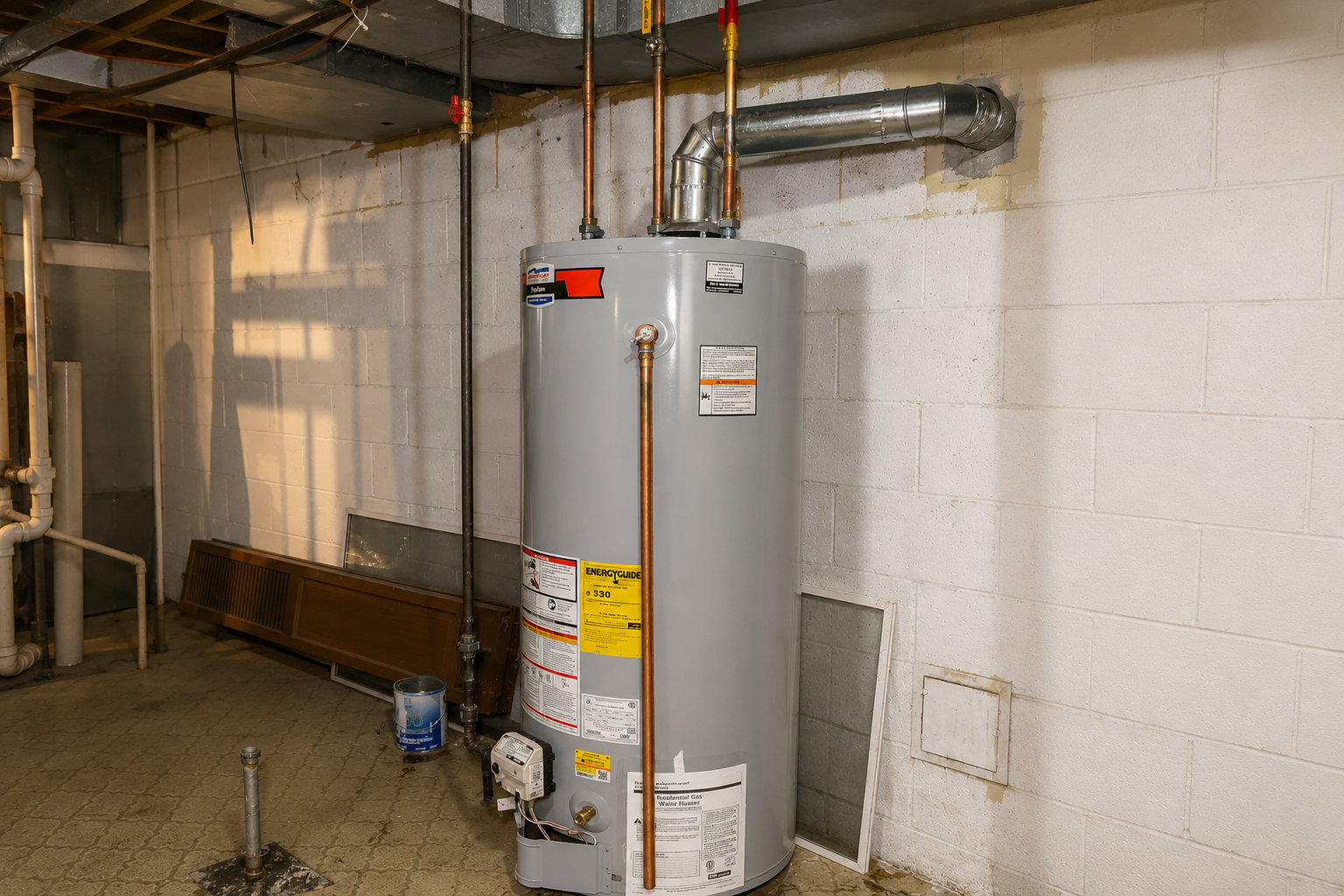
If your hot water used to last longer and recently started running out faster, the age of your water heater is one of the first things worth considering.
As a water heater gets older, components can begin to wear out. If the unit isn’t heating the water to the correct temperature anymore, you may notice yourself running out of the hot water sooner than you normally would.
When we gets a call like this, two of the first questions are:
How old is the water heater?
When did the problem start?
Those answers help narrow down what needs to be checked.
For example, if a water heater is only around five years old and the problem just started, the gas control valve may be something to inspect rather than immediately assuming the entire water heater needs to be replaced.
is your water heater the right size for your home?
Sometimes the water heater isn’t failing at all.
Your household may simply need more hot water than the tank can provide.
Water-heater sizing isn’t just about how many people live in your house. The fixtures and appliances using hot water matter too.
That can include your number of bathrooms, standard showers, Jacuzzi tubs, showers with multiple body sprays, washing machine, dishwasher, kitchen fixtures, and how many people typically need hot water around the same time.
Think about the morning rush: someone is taking a hot shower while another person starts the dishwasher or washing machine–and somebody else is waiting for their turn in the shower.
That’s a lot of demand on one water heater.
If the unit is undersized for the fixtures and typical usage in the home, you’re naturally going to run through its available hot water faster.
SO, HOW LONG SHOULD HOT WATER ACTUALLY LAST?
The slightly frustrating answer is: it depends.
There isn’t one number that works for every household. How long your hot water lasts depends on the size of the water heater, how much water your fixtures use, what’s running at the same time, and how many people are using it.
For example, take a family of five (two parents and three children) with a standard water heater. If everyone is primarily using the hot water for showers, you should generally get at least around 30 minutes of continuously running hot water, depending on the home and its setup.
If your household routine hasn’t changed, but your hot water suddenly isn’t lasting as long as it used to, that’s when it may be worth having the water heater checked.
Should you repair or replace your water heater?
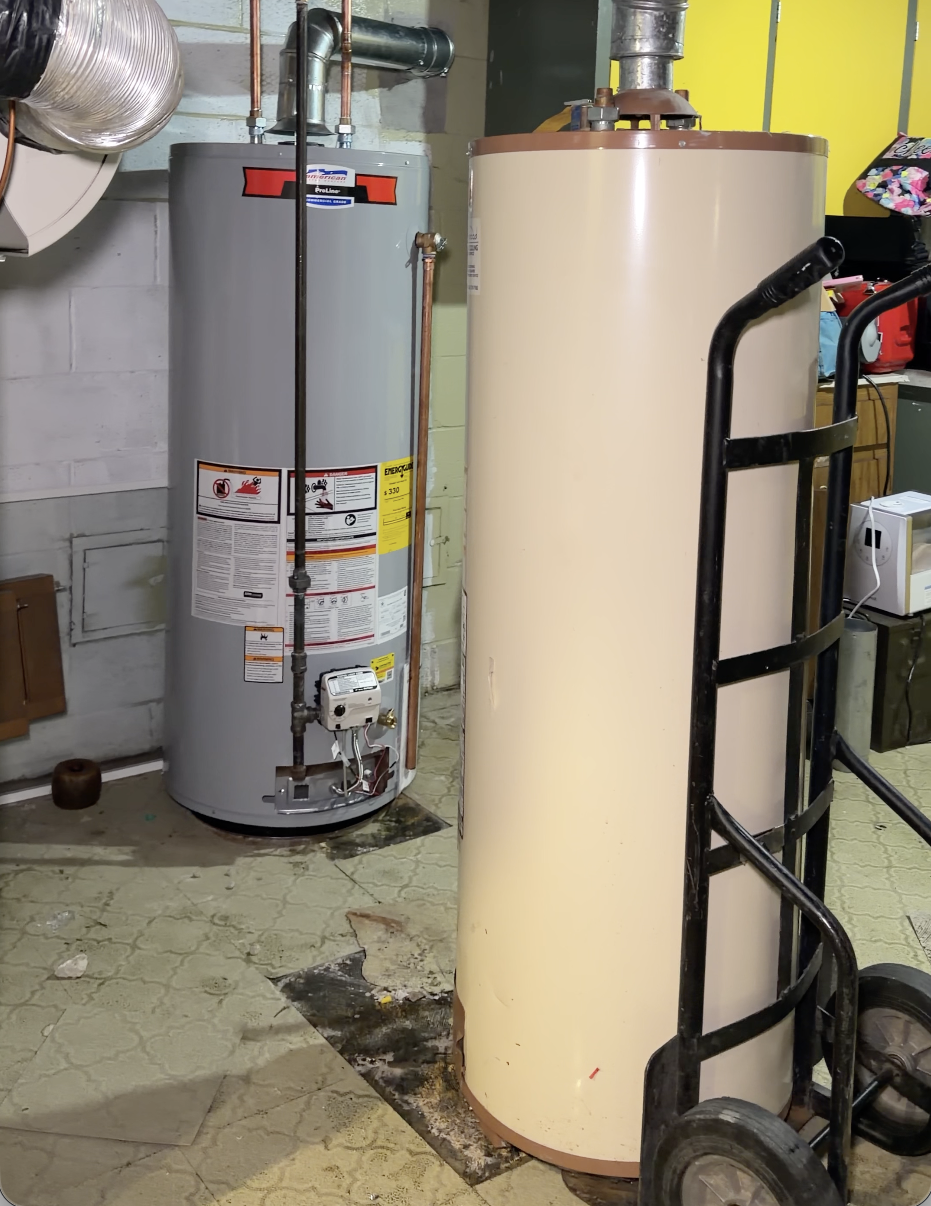
Running out of hot water doesn’t always mean you need a brand new water heater. A lot of the decision comes down to how old the unit is and whether it still makes sense to put money into repairing it.
If your water heater is between one and six years old, repairing the problem will usually make more sense than replacing the entire unit.
Once it reaches around six to ten years old, the decision isn’t always as clear. Depending on what needs to be repaired and how much the repair will cost, you may have the option to fix it or put that money towards a new water heater instead.
At ten years or older, replacement is generally the better route. At that point, continuing to repair an aging unit may mean putting money into a water heater that’s already nearing the end of its expected service life.
Ultimately, it comes down to the age of your water heater, what’s wrong with it, and where it makes the most sense to put your money.
Still running out of hot water?
No one wants to start timing their shower based on who got there first.
If your hot water isn’t lasting like it used to, the problem could be the size of your water heater, your household’s hot water demand, or an issue with the unit itself.
Since water heater problems can involve gas components, this isn’t the best place for a DIY experiment. Having the problem properly diagnosed can help you figure out whether you’re looking at a repair, replacement, or simply a water heater that isn’t keeping up with your household’s needs.
Dedicated to your plumbing needs.
READY TO FIGURE OUT WHERE YOUR HOT WATER WENT?
GET FREE QUOTE
Tell us what’s happening with your hot water, and we’ll help you figure out the next step.